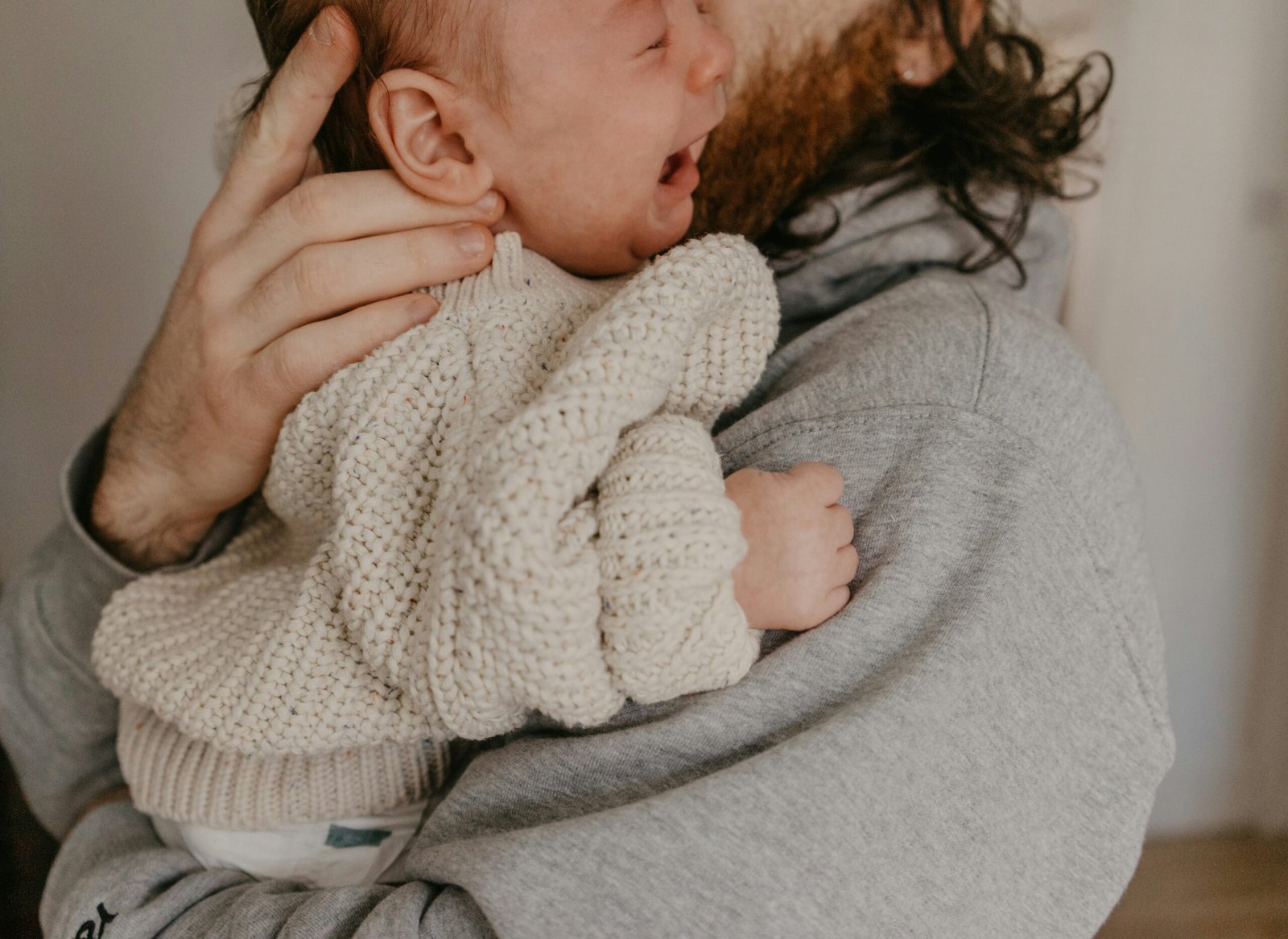
If you’re feeding your baby and wondering “When do you stop burping a baby?”, you’re not alone at all.
When I was raising my first baby, I agonized over this exact question — when can you stop burping a baby? — after almost every feed:
Burp? I’m exhausted. Don’t burp? I worry I’m being an irresponsible mom.
This, I believe, is a moment almost all parents go through.
By the time I had my second baby, I still considered it — just with far less panic.
The truth is, knowing when to stop burping a baby isn’t a clean-cut milestone. Your baby won’t wake up one day and magically stop needing help. Instead, it’s a gradual, developmental process based on comfort, feeding behavior, and readiness.
This guide covers:
- The medical consensus
- How to tell when your baby no longer needs burping
- What age you can realistically stop burping a baby
- How to transition away from burping gently
- My own experience as a second-time mom
Most Babies Can Stop Being Burped Between 4–6 Months
According to pediatric guidance from the AAP, Healthline, and Boys Town Pediatrics, most babies stop needing routine burping somewhere around 4–6 months old.
And although this is the “best answer” to questions like “what age do you stop burping a baby?” or “what age can you stop burping a baby?”, I have to say:
this is truly just an average — not a rule.
Both of my children naturally needed less burping within this window — but at slightly different paces. It taught me that the real answer isn’t about a specific age.
It’s the signs your baby shows.
Clear Signs Your Baby Is Ready to Stop Burping
If you’ve ever wondered, “when do I stop burping my baby?”, these cues are far more reliable than a calendar.
1. Your Baby No Longer Swallows Much Air
As babies mature, their sucking rhythm becomes smoother and more coordinated. That means they swallow less air — so there’s simply less to burp.
I noticed this with both children: once their feeding rhythm stabilized, burping became easier… and eventually unnecessary.
Look for:
- Steady sucking rhythm
- No frantic gulping
- Comfortable pace
- Proper nipple flow if bottle-fed
2. Your Baby Is Comfortable After Feeding
This is one of the most reliable signals.
If your baby relaxes after feeding — soft arms, relaxed body, peaceful expression — they may not need help releasing air anymore.
For my second baby, this became my go-to guide. I stopped watching the clock and started watching him.
3. Burps Come Quickly (Within 1–2 Minutes) — or Not at All
A pediatric-approved rule of thumb:
If a burp doesn’t come within 1–2 minutes, it probably won’t come at all.
With my first baby, I used to keep patting… and patting… and patting.
With my second? I finally learned that if air is present, it comes up quickly. If not, there’s nothing to release.
4. Spit-Up Starts to Decrease
When your baby spits up less, it often means their digestive system has matured enough that they don’t need routine burping.
My kids were not heavy spit-uppers, but I still noticed that when spit-up decreased, burping naturally faded away.
Age-by-Age Guide: When to Stop Burping a Baby
0–2 Months: Burping Is Generally Needed
Newborns swallow a lot of air, and burping helps reduce fussiness.
In this stage, I burped both babies after nearly every feed.
2–4 Months: A Normal, Messy Transition Phase
Your baby may sometimes need burping and sometimes not.
Both my babies went through this “unpredictable” period.
It happens because:
- Air swallowing decreases
- Feeding efficiency improves
- Digestive coordination is still maturing
4–6 Months: Most Babies Outgrow Burping
This is where the change becomes obvious.
As babies become more active — rolling, sitting with support, kicking more — their own movement helps air escape naturally.
One day I realized after a nap:
“I didn’t burp him… and he’s fine.”
That’s usually how the transition happens — quietly and naturally.
6+ Months: Only Occasional Burping Needed
By now, burping is only necessary when:
- Baby eats too fast
- Baby’s very hungry and gulps air
- A lot of extra air was swallowed
Most families completely stop burping by this point.
Special Situations Parents Ask About Most
Nighttime Feeds
You can burp during night feeds, but you don’t need to spend long.
A gentle upright hold for 1–2 minutes is enough.
With my second baby, trusting this made nights so much easier.
Breastfeeding vs Bottle-Feeding
Breastfed babies generally swallow less air → fewer burps needed.
Both my children burped easily during breastfeeding, sometimes with just a slight upright hold.
Bottle-fed babies may swallow more air if:
- Nipple flow is too fast
- Bottle angle is off
- They’re very hungry and gulp quickly
Fixing these factors often reduces the need for burping.
If Your Baby Seems Extra Gassy
Extra gas can come from:
- Eating too fast
- Being overtired
- Using the wrong nipple size
- Poor feeding posture
Helpful techniques:
- Adjust nipple flow
- Keep baby more upright
- Feed smaller amounts more often
- Try bicycle legs or gentle tummy time
Sometimes movement works better than patting.
How to Transition Away from Burping (Calmly and Safely)
1. Reduce Burping Gradually
You don’t need to stop abruptly.
Try:
- Burping after every other feed
- Only burping after fast feeds
- Watching baby’s post-feed comfort instead of the clock
This gentle transition worked beautifully with both kids.
2. Shorten Burping Time
Follow the 1–2 minute rule.
By the time I had my second baby, I rarely burped longer than two minutes.
3. Let Your Baby’s Movement Help
Rolling, sitting with assistance, and kicking around help gas move naturally.
Sometimes this works better than burping altogether.
When to Call a Pediatrician
Seek medical guidance if your baby shows:
- Persistent discomfort after feedings
- Projectile spit-up
- Distended or hard stomach
- Poor weight gain
- Pain during or after feeds
Most babies transition smoothly. But if something feels wrong, trust your instincts.
Final Thoughts: Trust the Signs, Not the Calendar
If I could talk to my first-time-mom self, I’d say:
“Don’t rely on the calendar. Rely on your baby.”
By the time I had my second baby, I finally understood that burping fades naturally as babies mature — not according to a schedule.
So take a breath.
Watch your baby.
Trust what you see.
You’re doing beautifully.
Learn more

As a mom of two, I learned when to stop burping a baby through trial and error. I’m sharing this clear, milestone-based guide so you can navigate this step with confidence.
Related Articles
You’re not alone on this parenting journey — every mom and dad learns step by step.Explore our baby essentials, parenting tips to help you raise baby with confidence and calm.
-
-

Baby Buddha 2.0 Reviews: A Working Mom’s Honest Take on Whether It’s Worth?
Here’s the thing—you’re juggling a million decisions as a new mom, and choosing a breast pump feels impossibly high-stakes. Will it actually empty you? Can you pump at work without…
-
Is Albeebaby Legit? My real Albee Baby Review
I’m a mom of two. When my oldest daughter was born, it was right in COVID-19 pandemic. so almost everything was bought through a babyonline store. I remember buying a…
-
Thanks God!! My daughter can finally sleep regularly.
My oldest daughter went through a challenging phase between 2.5 and 3 years old where she absolutely refused to sleep—sometimes staying awake until 3 AM! It took me quite a…
-