🌼 About Me
Hi, I’m Nora — a mom of two who has been through the worries and tears that come with a baby crying during feeds.
I’m not a doctor, just a mother who has been through these moments — the frustrating ones, the confusing ones, the “am I failing?” ones — and I share my experience in the hope that it brings you comfort, clarity, and a sense of not being alone.
If you’re here reading this because your baby is crying while eating, I want you to know:
I’ve been there. And I’m here with you now, mom-to-mom.
Intro
As a second-time mom, I understand that specific kind of panic that hits you when your baby is crying while eating.
My first child barely had this issue — honestly, I thought feeding problems were something other families dealt with. But my second baby? It was a completely different story.
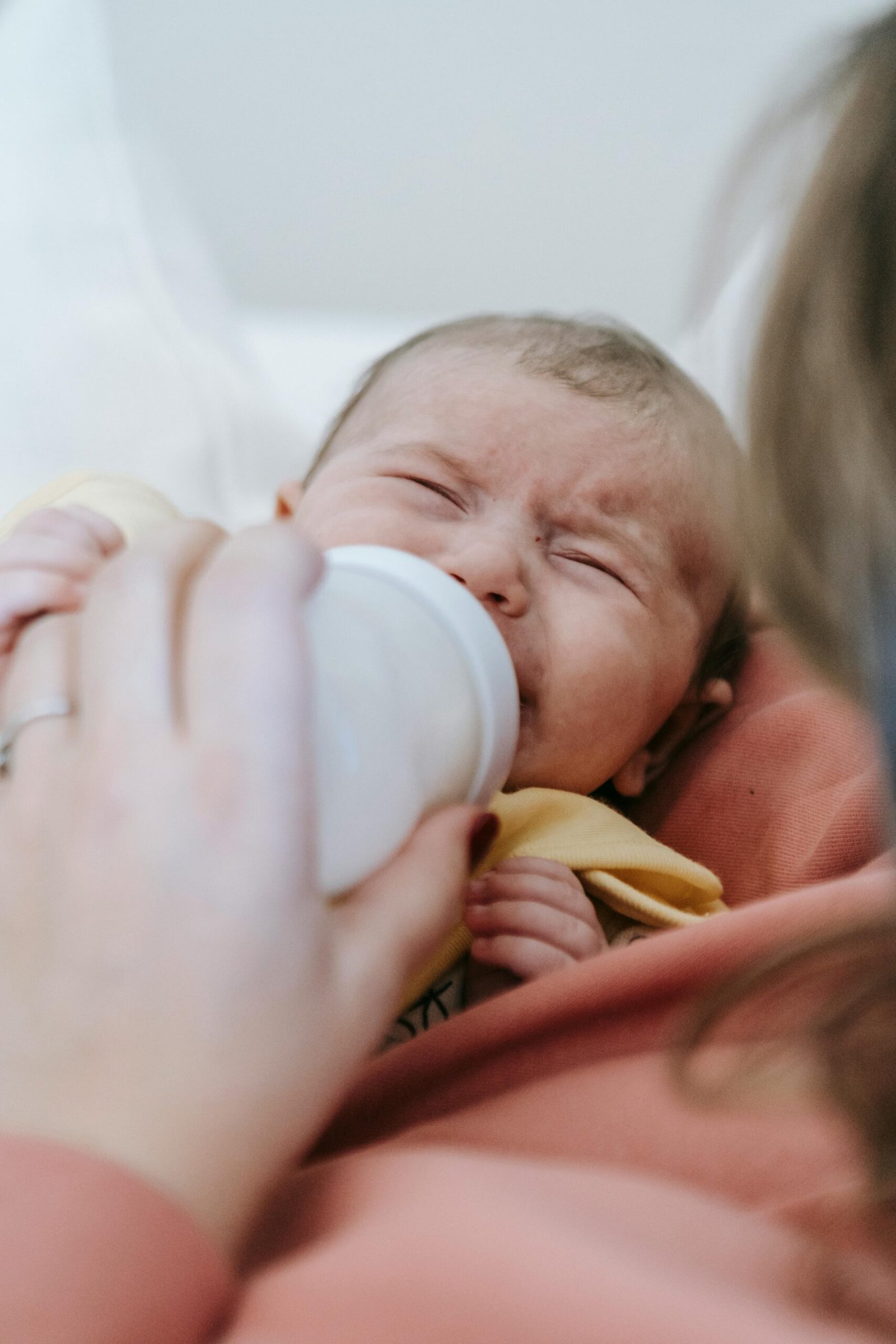
I still remember when she was just one month old. Every single feeding turned into a breakdown — hers and mine. She would latch for two seconds, pull off, scream, wave her arms, and try again only to cry even harder. And every time I saw the clock approaching the next feeding, my whole body would tense up.
Every night, after she finally fell asleep, I would sit in the dark and Google:
“why is my baby crying while eating?”
If you’re in that place right now — exhausted, confused, maybe even blaming yourself — I want to say this clearly:
You are not alone. And your baby crying while eating is far more common than you think.
Why Is My Baby Crying While Eating? Understanding the Real Reasons
Babies cry during feeding for many different reasons, and in most cases, it’s not a sign of anything serious. What matters most is identifying when the crying happens — before, during, or after feeding — because each has different causes.
Crying Before Eating
Common reasons:
- Overtiredness
- Hunger frustration
- Overstimulation
- Growth spurts
Crying During Eating
This is the most common and the most distressing for parents. Causes include:
- Gas or swallowed air
- Fast or slow milk flow
- Reflux (silent or classic)
- Teething
- Distraction
- Ear infections
- Emotional frustration
Crying After Eating
Often linked to:
- Gas buildup
- Silent reflux
- Overfeeding discomfort
Common Reasons by Age (0–12 Months)
0–3 Months
Newborns cry due to:
- Gas
- Letdown issues
- Immature digestion
- Reflux
- Poor latch
3–6 Months
Crying relates to:
- Teething
- Distraction
- Brain leaps
- Sleep regression
6–12 Months
Especially during solids:
- Texture overwhelm
- Gagging
- Wanting to self-feed
Feeding-Specific Causes
Breastfeeding
- Fast letdown
- Slow letdown
- Shallow latch
- Nursing strikes
Bottle Feeding
- Wrong nipple flow
- Swallowing too much air
- Formula discomfort
- Temperature sensitivity
Solids
- Pressure
- Texture issues
- Sensory overload
- Wanting independence
Real Stories From Other Parents
Parents online frequently report:
- 6-week-olds screaming mid-feed
- Evening meltdowns due to exhaustion
- Babies who cry at every spoonful of solids
- Teething-related feeding battles
What Helped Us — Practical Tips From a Second-Time Mom
- Feed earlier to avoid frantic hunger
- Adjust the nipple flow
- Burp frequently (even mid-feed)
- Reduce distractions
- Try upright feeding positions
- Ease pressure during solids
These helped resolve most of our crying episodes.
When You Should Worry
Call your pediatrician if your baby shows:
- Persistent feeding refusal
- Signs of dehydration
- Weight issues
- Painful crying
- Frequent vomiting
- Blood in stool
⭐ Final Thoughts: You Are Not Failing — Your Baby Is Communicating
Your baby isn’t rejecting you or feeding.
They’re communicating discomfort the only way they know how.
This phase will pass — truly.
🌼 Experience You Can Trust
Everything I share comes from real motherhood — not theory.
Long nights, tears (mine and theirs), endless trial and error, and learning to listen to what my babies were trying to tell me.
You’re not alone.
I mean that.
🩺 Medical Accuracy Note
I am not a doctor.
If you notice persistent pain, abnormal crying, dehydration, weight issues, or feeding refusal, please consult a pediatrician.
⭐ FAQ: People Also Ask (PAA Style)
(SEO-optimized, matches Google queries)
1. Why does my baby cry while eating?
Babies cry during feeds due to gas, reflux, fast or slow milk flow, overtiredness, overstimulation, teething, or frustration. The exact reason depends on when the crying happens.
2. Why is my newborn crying during feeding?
Newborns often cry because their digestion is immature. Gas, swallowed air, fast letdown, reflux, hunger frustration, or overstimulation are common causes.
3. Why does my baby cry while breastfeeding?
Typical causes include fast letdown, slow letdown, a shallow latch, nursing strikes, or discomfort from reflux or swallowed air.
4. Why does my baby cry while bottle feeding?
This may happen when the nipple flow isn’t right, the milk temperature is off, the bottle angle leads to air intake, or the formula upsets their tummy.
5. Why does my baby cry after feeding?
Crying afterward usually relates to gas buildup, reflux, or overfeeding. Burping more often often helps.
6. Why does my baby cry while eating solids?
Solids may cause crying due to texture overwhelm, gagging confusion, pressure, teething pain, or the desire to self-feed.
7. When should I worry about my baby crying during feeds?
Seek medical help if your baby shows dehydration, persistent refusal to eat, poor weight gain, painful crying, frequent vomiting, or blood in stool.
8. How do I know if the milk flow is too fast or too slow?
Too fast: choking, coughing, pulling off crying.
Too slow: frustration, hard sucking, crying out of impatience.
9. Can teething cause feeding crying?
Yes. Sucking increases gum pressure, making teething babies cry more during feeds.
10. Is crying during feeding normal?
Very normal. Most babies experience phases of crying during feeds due to development, digestion, or emotional frustration.
11. How can I stop my baby from crying during feeds?
Try feeding earlier, burping more often, adjusting nipple flow, creating a calm environment, and using upright feeding positions.
12. Why does my baby cry but still want to eat?
This usually means hunger + frustration.
Common in young babies who want to eat but feel uncomfortable or overtired.
13. Can distraction cause crying during feeding?
Absolutely. Babies 3–6 months are easily overstimulated by noise, lights, or movement.
14. Why does my baby cry at night while feeding?
Night crying is common and often linked to overtiredness, gas buildup, witching hour, sleep regressions, or fast evening letdown.
15. What’s the difference between hunger crying and discomfort crying?
Hunger: rooting, rhythmic crying, calms when feeding starts.
Discomfort: arching back, pulling off, crying mid-feed or after feeding.
Learn more

It can be worrying when your baby cries during feeds. This article explores why your baby might be crying while eating, from latch issues to distractions, and provides gentle tips to help you both feel better.
Related Articles
You’re not alone on this parenting journey — every mom and dad learns step by step.Explore our baby essentials, parenting tips to help you raise baby with confidence and calm.
-
-

Baby Buddha 2.0 Reviews: A Working Mom’s Honest Take on Whether It’s Worth?
Here’s the thing—you’re juggling a million decisions as a new mom, and choosing a breast pump feels impossibly high-stakes. Will it actually empty you? Can you pump at work without…
-
Is Albeebaby Legit? My real Albee Baby Review
I’m a mom of two. When my oldest daughter was born, it was right in COVID-19 pandemic. so almost everything was bought through a babyonline store. I remember buying a…
-
Thanks God!! My daughter can finally sleep regularly.
My oldest daughter went through a challenging phase between 2.5 and 3 years old where she absolutely refused to sleep—sometimes staying awake until 3 AM! It took me quite a…
-