
Strollers & travel systems
The gear I trust for getting everyone out the door, happily.
-
-
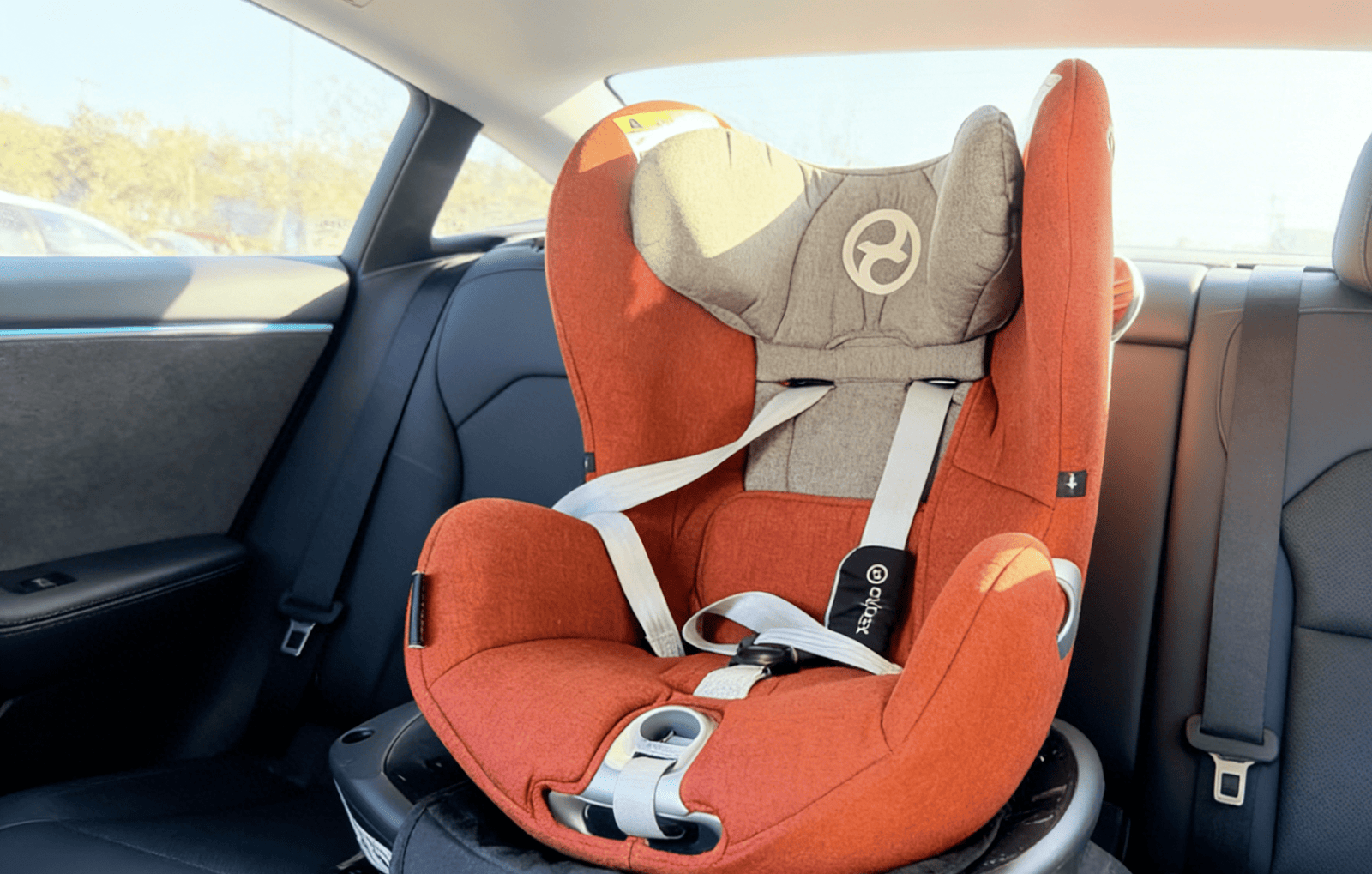
Is Albeebaby Legit? My real Albee Baby Review
I’m a mom of two. When my oldest daughter was born, it was right in COVID-19 pandemic. so almost everything was bought through a babyonline store. I remember buying a…
-

How Can I Tell What Graco Stroller I Have? VINTAGE 90s
If you found an old stroller at a thrift shop, on Facebook Marketplace, or in your parents’ garage, you’re not alone in asking the same question:“How can I tell what…
-
Hunting for a Graco vintage stroller for sale? Me too
I found myself deep in a rabbit hole the other night, looking at old family photos from the early 90s(Pinterest totally planted this idea in our heads😂). My mom was…
-
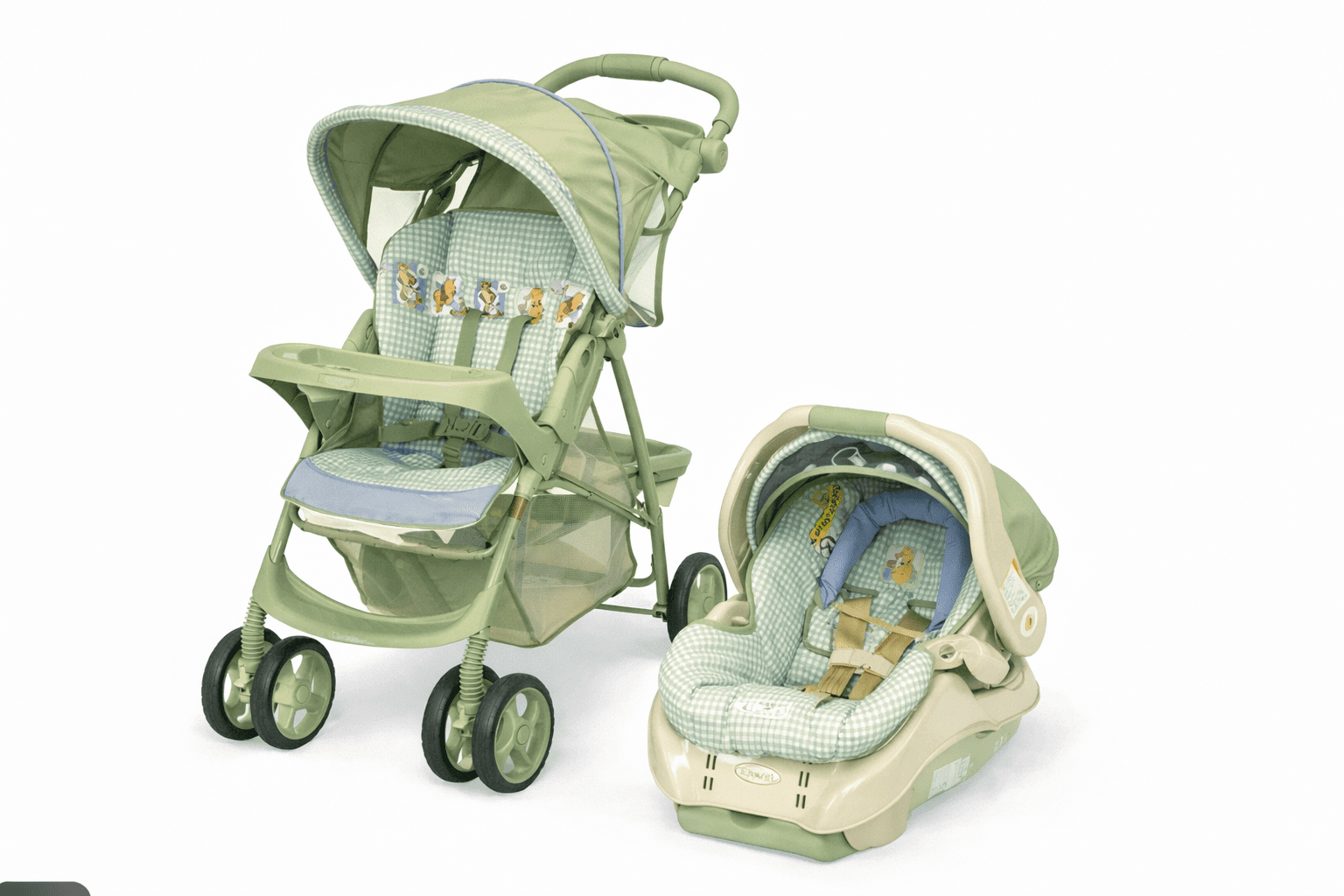

More Baby Talks
You’re not alone on this parenting journey — every mom and dad learns step by step.I’ve gathered honest insights on all your baby needs, from creating a baby essentials list for newborns to tackling month-by-month challenges like sleep, teething, and feeding. Find trusted guidance on baby care and health, whether it’s choosing a safe baby car seat, managing common problems, starting first foods, or even planning a baby shower. Explore more topics below — let’s walk this path together, with confidence and calm.

Baby Care & Health
Sleep / bedding,Practical baby care for real life

Baby Feeding
How-To Feeding Guide, Breastfeed, Formula,Timing

Baby Gear
Best Travel Picks, Beach Must-Haves, Strollers
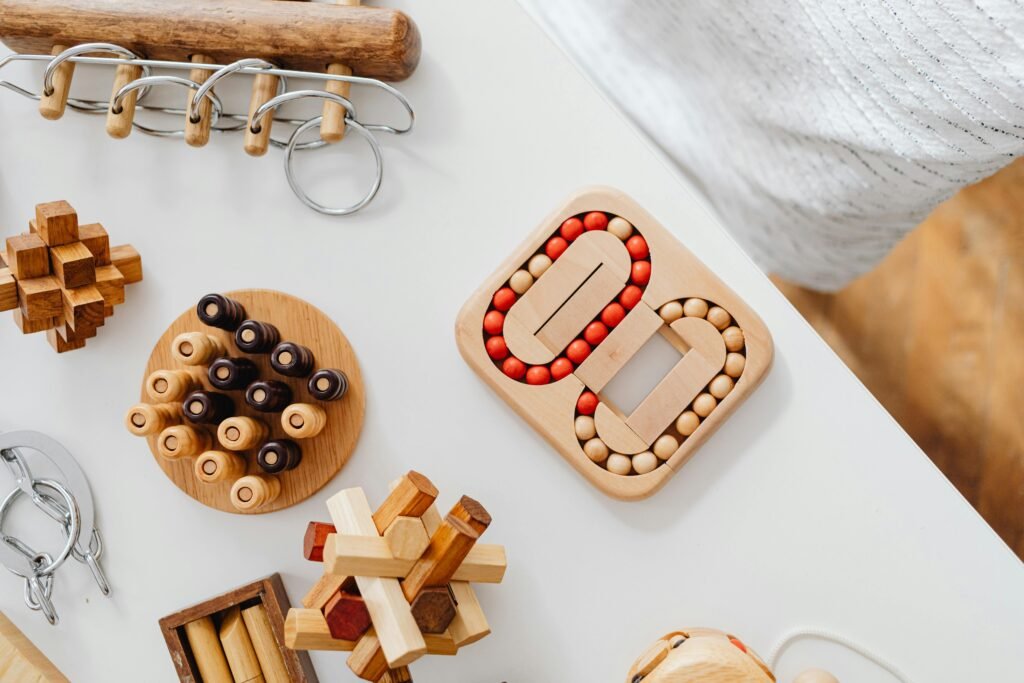
Baby Toys
Discover toys by month—plush, soft picks, wood toys

Baby shower
Outfit Ideas, Practical gift advice, match your party and invitation style

About me
Founder who transformed an education business in 3 months, doubling revenue.
Frequently Asked Questions
1. When can babies face forward in a carrier?
I remember the day my baby started craning to “see everything,” and it’s so tempting to flip them outward right away…
Most guidance points to waiting until your baby has strong head and trunk control—often around 6 months—and can sit well enough to stay comfortably upright. Before that, inward-facing (or hip/back carrying) usually supports the airway, spine, and hips better. Even when your baby is ready, keep forward-facing sessions short and stop if they seem overstimulated or slump. If your baby was premature, has breathing issues, or you’re unsure about readiness, ask your pediatrician.
2. Are baby carriers bad for hips?
This question kept me up with my first baby—because the last thing you want is to “do it wrong” while trying to survive the day…
The reassuring news: carriers aren’t automatically bad for hips, but positioning matters. Aim for a “hip-healthy” seated posture where the thighs are supported and the hips and knees stay bent (often described as an M-shape), rather than legs dangling straight for long stretches. Inward-facing is commonly recommended early on. If your baby has hip dysplasia risk factors (like breech birth) or you notice asymmetry/limited leg movement, check with your pediatrician.
3. Are baby carriers safe?
I love babywearing, but I also remember that tiny flicker of worry—especially with a newborn—so safety rules help me feel grounded…
The big shared guidance is airway first: keep your baby upright, close, and with their face visible and chin off chest (the T.I.C.K.S. checks are a great mental shortcut). Make sure the carrier is snug so baby doesn’t slump, and re-check often—especially for babies under 4 months. Avoid carriers that curl baby into a deep C-shape, and be extra cautious if your baby is premature or has breathing problems. If you ever notice breathing difficulty, bluish color, or unusual limpness, get urgent help.
4. How to use a baby wrap?
The first time I tried a wrap, it felt like origami—so if it looks confusing, you’re in very good company…
Start by learning one carry and repeating it until it’s muscle memory. The wrap should be snug (not stretchy-loose), holding baby high on your chest, close enough to kiss, with their face always in view and their chin lifted away from their chest. Support baby’s back so they stay upright, and keep fabric away from the nose and mouth. After you tie, do a quick safety scan: tightness, visibility, airway, and a comfortable hip-seated position. If baby slumps, re-tie—don’t “hope it’s fine.
5. How long can baby be in a Solly wrap?
With my second baby, the wrap was my “extra set of hands,” so I understand wanting a clear time limit…
Most guidance doesn’t give a single strict maximum—what matters is safe positioning, comfort, and regular checks. Keep baby in a snug, upright carry with a clear airway (T.I.C.K.S.), and take natural breaks for feeding, diaper changes, and a little stretch. Pay attention to heat (both of you warm up fast), and adjust layers so baby doesn’t overheat. If you notice breathing changes, baby slumping, or you feel unsure about the fit, take baby out and reset. For medical concerns or very young/preterm babies, follow your clinician’s advice.