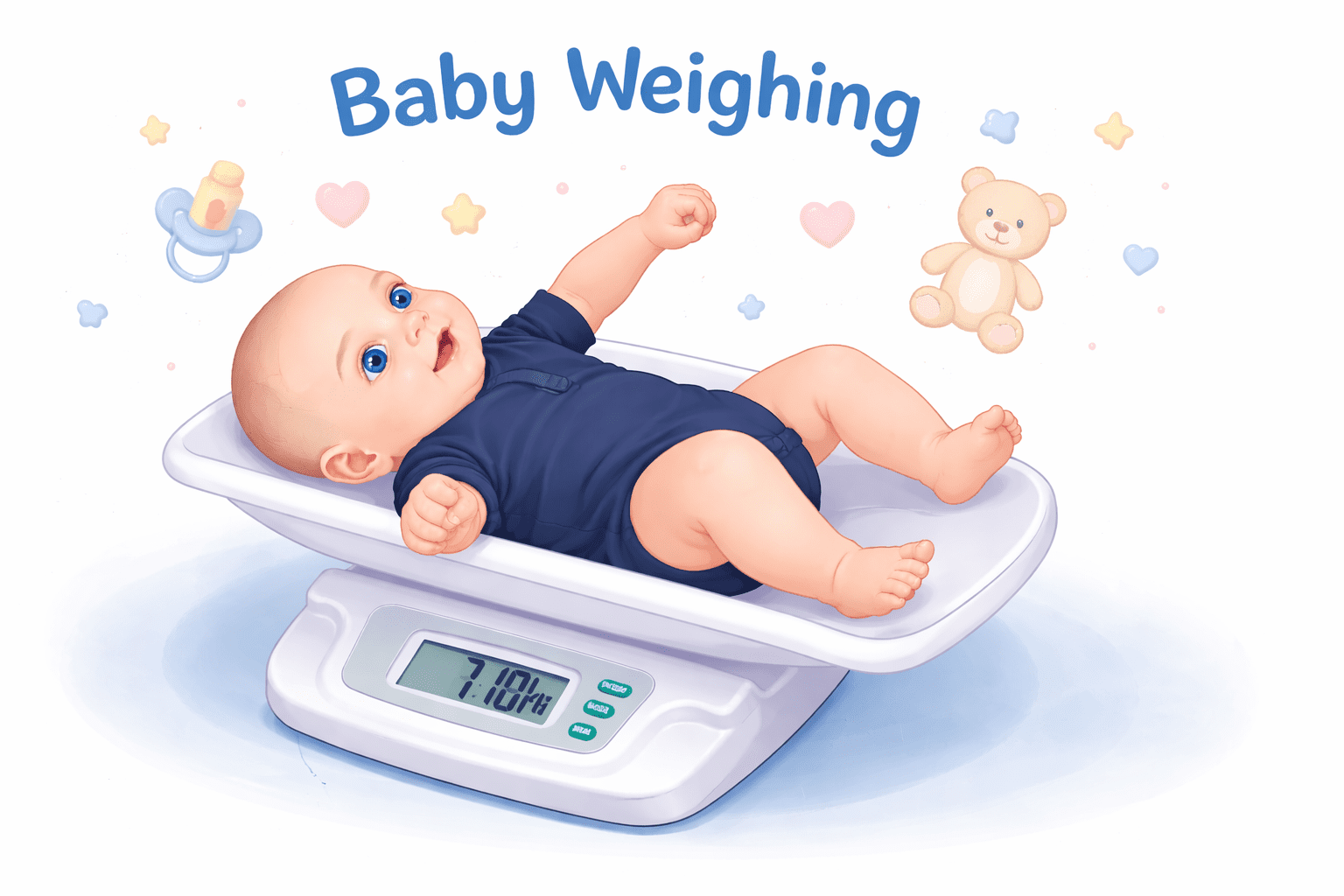
Since our tiny humans can’t exactly tell us, “Hey Mom, I’m full!” or “I’ve gained a few ounces this week,” we have to play detective. That’s where learning How to Weigh Baby at Home becomes a total game-changer for your peace of mind. It’s not just about the numbers; it’s about that deep-down reassurance that your little one is thriving.
Why it’s important to weigh your baby at home?
Let’s be real: babies aren’t exactly great communicators yet. As parents, we constantly worry if they’re getting enough to eat, especially in those early weeks of breastfeeding or adjusting to formula. How to Weigh Baby at Home acts as a vital sign of their overall health—it’s your best “nutrition signal.” If that scale is moving in the right direction, it’s a huge green light that they are absorbing those nutrients and growing strong.
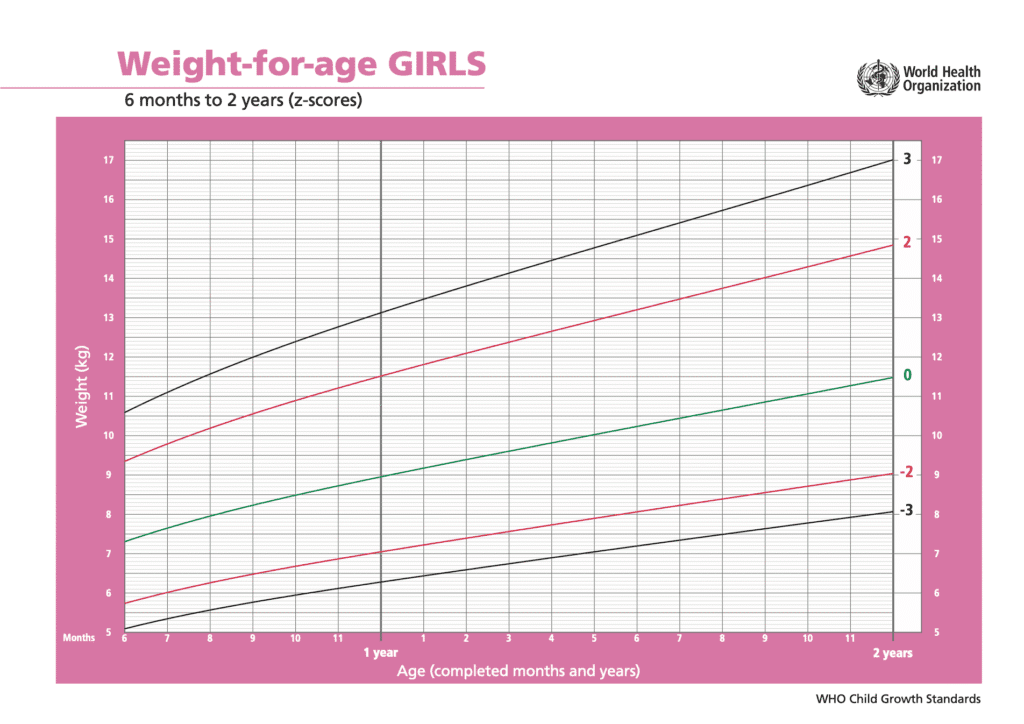
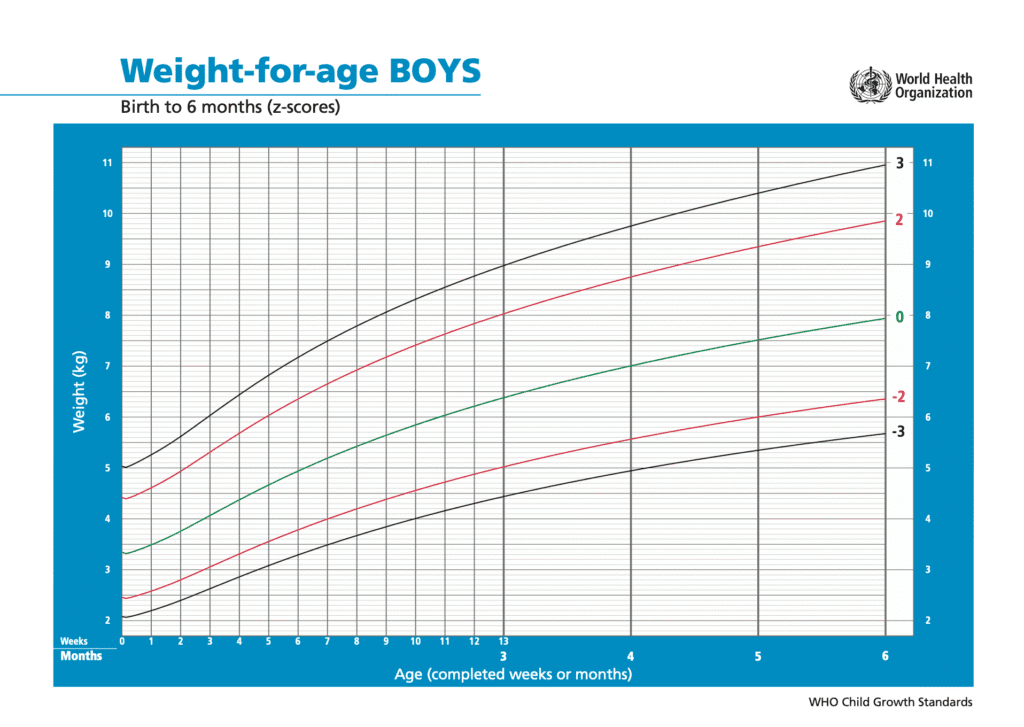
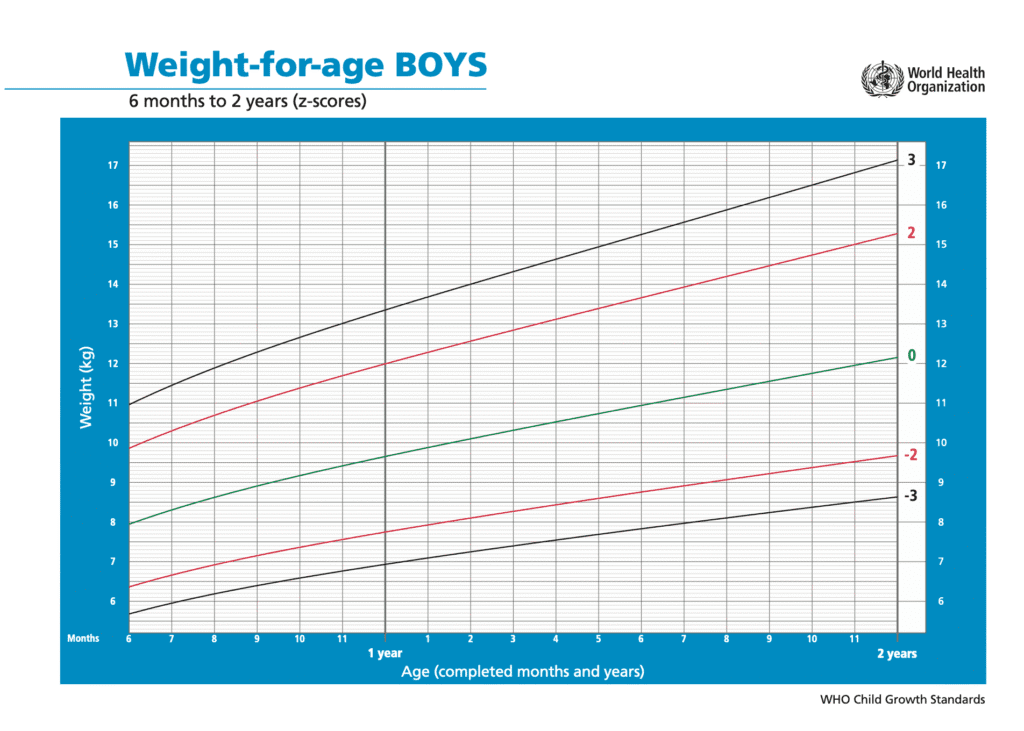
But how do you know if that number you see is “good”? We don’t just guess! We look at the WHO: Child Growth Standards.
WHO: Child Growth Standards
These are globally recognized growth curves provided by the World Health Organization. By recording your baby’s weight at home and comparing it to these charts, you can see if they are staying within a healthy range. It’s the ultimate tool to help prevent growth delays and catch any issues before they become big problems.
Weight-for-age GIRLS
- Birth to 6 months (z-scores)

- 6 months to 2 years (z-scores)
Weight-for-age BOYS
- Birth to 6 months (z-scores
- 6 months to 2 years (z-scores)
How to weigh baby at home? Essential Tools: Choosing the Best Infant Scale for Accuracy
Now, you might be thinking, “Can’t I just use my old bathroom scale?” Well, you could (and we’ll talk about that later), but if you want accuracy, a dedicated Baby Scale is where it’s at.
Why do you need an infant scale for weighing?
- Higher Precision: Your adult scale usually measures in half-pounds or 0.1kg. An infant scale, however, measures in grams or half-ounces. When your baby only weighs 8 pounds, a few ounces is a huge deal!
- Increased Safety: These scales are designed with a curved tray to keep your wiggly little “burrito” secure so they don’t roll off while you’re trying to read the numbers.
How to Weigh Newborn at Home Using a Professional Infant Scale
If you decide to go the professional route, here is how to get that perfect reading:
- Preparing the weighing machine for infants: Always place the scale on a hard, flat surface like a kitchen table or a hardwood floor. Hard surfaces vs. carpets is a big deal—carpets absorb some of the weight and will give you a false, lower reading.
- The “Naked Truth”: Why how to weigh an infant correctly always requires a zero-dry diaper or no clothes. I know, they look so cute in those footie pajamas, but clothes and even a slightly damp diaper can weigh up to 200g (nearly half a pound!). For a true reading, baby needs to be “team naked.”
- Step-by-step instructions for using a digital baby scale: Turn the scale on, lay a thin cloth down (optional, but keeps it cozy), hit “Tare” to zero it out, and gently lay baby in the center.
Top 5 Amazon Infant Scales
To make your life easier, I’ve rounded up 5 of the most loved scales on Amazon right now:
| Product | Best For | Key Feature |
| Greater Goods Smart Baby Scale | Tech-Savvy Parents | Syncs directly to a how to weigh baby at home app. |
| MomMed Baby Scale | Longevity | High weight capacity; converts to a toddler scale. |
| Beurer BY80 Digital Scale | Active Babies | Superior Hold function for wiggly infants. |
| Health o Meter Grow w/ Me | Medical Reliability | Trusted brand used in clinics; very stable tray. |
| Homedics Baby Scale | Weighted Feeds | Slim design with a precise “milk intake” mode. |
Can I Use a Regular Scale to Weigh a Baby?
I get it—sometimes a fancy new gadget isn’t in the budget, or you just need a quick check right now.
Creative (but cautious) hacks: How to weigh baby at home with kitchen scale for very small newborns.
If you have a very small newborn and a high-quality kitchen scale (the kind that goes up to 10 or 15 lbs), you can use it in a pinch.
- Method: Place a large, sturdy mixing bowl on the scale, hit “Tare,” and very carefully place baby inside.
- Precautions: NEVER take your hands off the baby. This is purely for weight, not for leaving them there. Make sure the bowl is large enough that they aren’t cramped.
Using a regular adult scale for weighing baby
This is the most common DIY method, often called the Subtraction Method.
- Method: Step on the scale yourself and write down your weight. Then, pick up your baby (ideally naked!) and step back on the scale. Subtract your weight from the total.
- Precautions: How to weigh a baby on a regular scale is convenient, but remember that most adult scales have a margin of error of about 0.1kg or more. It’s fine for a general idea, but not for medical-grade tracking.
Where can I weigh my baby for free?
If you don’t want to buy a scale and the DIY method makes you nervous, don’t sweat it! There are plenty of places where you can get an accurate weight for free:
- Local Pharmacies: Many drugstores have health stations or baby scales you can use.
- Lactation Groups: If you attend a breastfeeding support group, they almost always have high-end scales.
- Community Centers: Local health clinics often have “walk-in” days for quick weight checks.
Tips for Accurate Results
When you’re doing this at home, consistency is your best friend. If you weigh them differently every time, the data won’t mean much!
5 Key Details to Ensure Accurate Baby Weight Data
- The “Naked Truth”: Again, I can’t stress this enough. Diapers and clothes are heavy!
- Consistent Timing: Try to weigh them once a week, ideally in the morning before their first feeding.
- Flat, Hard Surface: No carpets! This is the #1 reason for “wrong” weights at home.
- Avoid Anxiety: Unless your doctor specifically told you to do weighted feeds, don’t weigh them every day. Weight fluctuates like crazy, and daily checks will just stress you out.
- Record-keeping tools: Use a how to weigh baby at home app or a printed WHO growth chart so you can see the trend over time.
Don’t just rely on the scale—check the diapers!
Numbers are great, but the Mayo Clinic reminds us in their guide Feeding Your Baby During the First Year that there’s another “output” we need to watch:
“Babies should have six or more wet diapers and at least one to three bowel movements in 24 hours for the first three weeks of life. After this time, some babies continue to have several bowel movements a day while others may have only one a week.”If the diapers are wet and heavy, it’s a great sign they’re hydrated!
Is an 8%-10% weight drop normal for newborns?
Yes! Don’t panic if they leave the hospital lighter than they were born. The American Academy of Pediatrics notes:
“A well-nourished newborn should: Lose no more than 8%-10% of their birth weight in the first few days after birth, before starting to gain weight again.”They usually get back to their birth weight by the 2-week mark.
BTW: How to Measure Infant Length
Weight is only half the story! To see the full picture of their growth, you’ll want to check their length too.
Measuring Newborn Length: The Two-Person Technique
Why is it so hard? It’s the “scrunch factor.” Babies naturally pull their legs up, and they are strong!
- Tools you need: A firm surface (like a changing table), a non-stretch measuring tape, and a helper (husband, grandma, or a friend).
- How to do it: One person holds the baby’s head gently but firmly against a flat surface (like the headboard of a bed or a wall). The second person gently stretches the baby’s legs out straight and marks where the heels land.
How to Measure Baby’s Height and Length of Infant Accurately
- Step-by-step for the solo parent: If you’re alone, place baby on a paper-covered changing mat. Mark the top of the head and the bottom of the heel with a pen on the paper, then measure the distance between the marks after you pick the baby up.
- Length vs. Height: Remember, length newborn is measured lying down. We only call it infant height measurement once they can stand up on their own (usually after age 2).
- The Ratio: Recording the baby’s length helps your doctor track the “Weight-for-Length” ratio, which is actually a better indicator of healthy growth than weight alone.
You’re doing a great job, mama. Tracking this stuff shows just how much you care. Just remember: the numbers on the scale are just one part of your beautiful, unique baby’s story!
Would you like me to help you find a printable WHO growth chart that you can start using today?
FAQ: Everything You Need to Know About Baby Growth Tracking
Q: How can I measure my baby’s weight at home accurately?
A: To get the most precise data, you should use a dedicated electronic infant scale. Unlike a standard bathroom scale, an infant digital scale is calibrated to detect tiny changes in grams. Make sure to weigh your baby at the same time of day, ideally naked, and on a flat, hard surface.
Q: Can I weigh my baby myself using a regular scale?
A: Yes, Can I weigh my baby myself? is a common question! While you can use the “subtraction method” on a regular scale, it isn’t the best infant scale method for newborns because adult scales often have a 100g margin of error. If you are tracking a newborn scale level of detail for a how to do a weighted feed at home, a dedicated digital infant scale is necessary.
Q: How to properly weigh a newborn if I don’t have a baby scale?
A: If you’re wondering how to weigh baby at home without a scale, you can try a how to weigh baby at home with kitchen scale hack for very small infants (under 10-15 lbs). Just place a secure basket or bowl on the scale, “tare” it to zero, and keep your hands inches away for safety. If you need a newborn scale but don’t want to buy one, ask where can I weigh my baby for free at local pharmacies or lactation groups.
Q: What is the most accurate at home baby scale on the market?
A: Most pros recommend a Salter infant scale or brands like Health o Meter for medical reliability. The best baby scale will feature a “Hold” button to lock in the weight while the baby wiggles and a “Tare” button to subtract the weight of blankets. You can often find a reliable infant scale Walmart or Amazon carries that meets these best infant weight scale standards.
Q: How accurate is weighing baby at home compared to the doctor’s office?
A: How accurate is weighing baby at home depends entirely on your equipment. A specialized weighing machine for infants is very close to clinic quality. However, a regular scale is more of an estimate. Always rely on your pediatrician’s infant height measurement and weight for official medical records.
Q: Is 7 kg normal for a 7 month old baby?
A: Is 7 kg normal for a 7 month old baby? According to the WHO: Child Growth Standards, 7 kg is generally within the healthy range for a 7-month-old, but it depends on their birth weight and sex. Instead of a single number, doctors look at the infant length measurement and weight together to track their specific growth curve.
Q: How do I measure baby’s length and height correctly?
A: For a length newborn or length of infant, you must measure them lying down. Use the “two-person technique” for an accurate measuring infant length result. One person holds the head, the other stretches the legs. This is different from infant height measurement, which is only used once the child can stand.
Q: How to check baby weight in womb at home?
A: You might see searches for how to check baby weight in womb at home baby scale, but the truth is, you cannot measure fetal weight with a physical scale. Fetal growth is estimated via ultrasound by a doctor. A baby scale is only for use after birth!
Q: How to measure length of infant by myself?
A: If you’re solo, the best way for how to measure an infant’s length is to lay them on a piece of paper, mark the head and the heel with a pencil, and measure the distance between the marks once the baby is moved.
about me:From a high-achieving entrepreneur to a full-time mom of two, I’ve traded business meetings for diaper changes and daily chaos. After navigating the steep learning curve of motherhood—from postpartum recovery to the “two under two” struggle—I founded this blog to keep the light on for other moms. I apply my professional problem-solving skills to offer real, unfiltered survival guides and “mom hacks.” This is a space for honest solidarity, proving your value isn’t lost at home. Let’s navigate the pitfalls and joys of motherhood together—one practical tip at a time.
Reviewed and Approved by Dr. Jieqiong Liu, PhD, whose primary research focuses on Pediatric Medicine.