
Infant toys
Gentle first toys designed to nurture curiosity and spark early discovery.
-
-
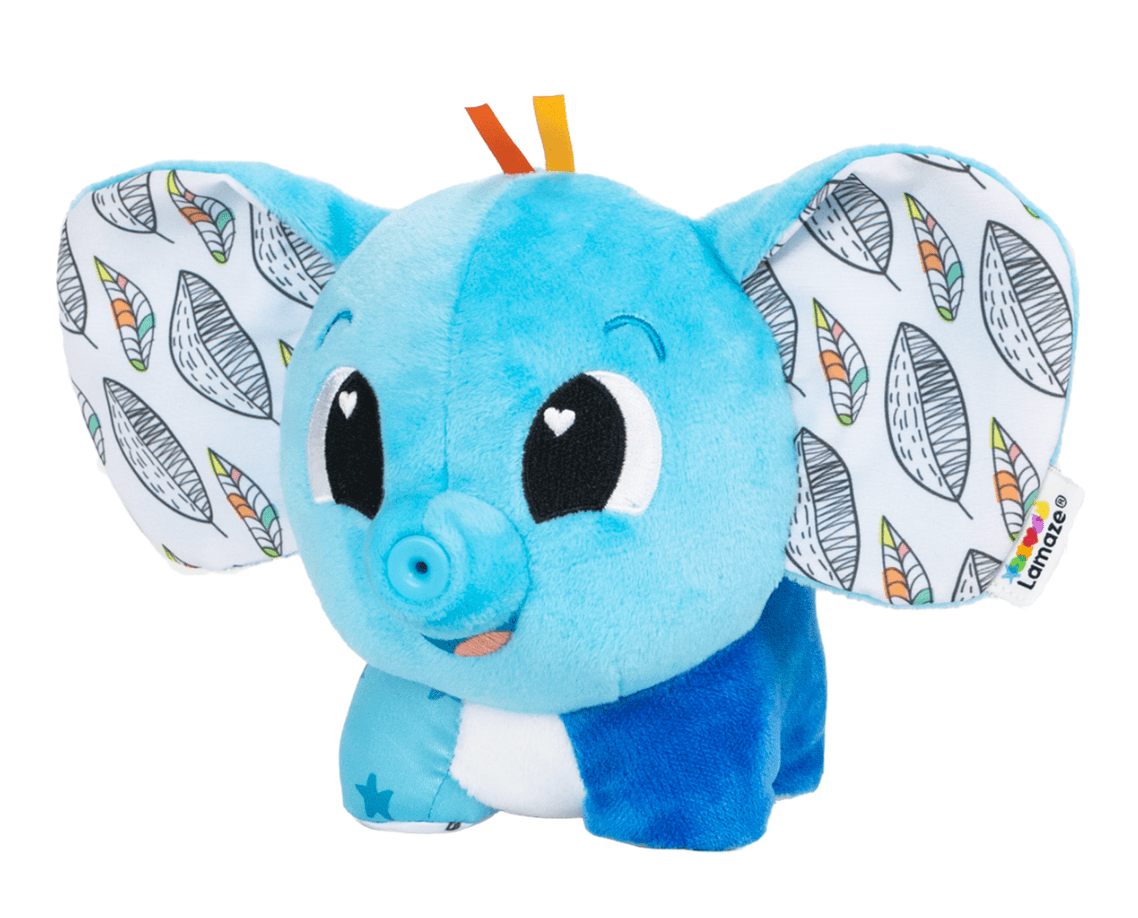
Lamaze Toys: A Real Second-Time Mom Review
I used to buy “educational” baby stuff like it was a personality trait, and then my older daughter ignored half of it and fell in love with the one clip-on…
-

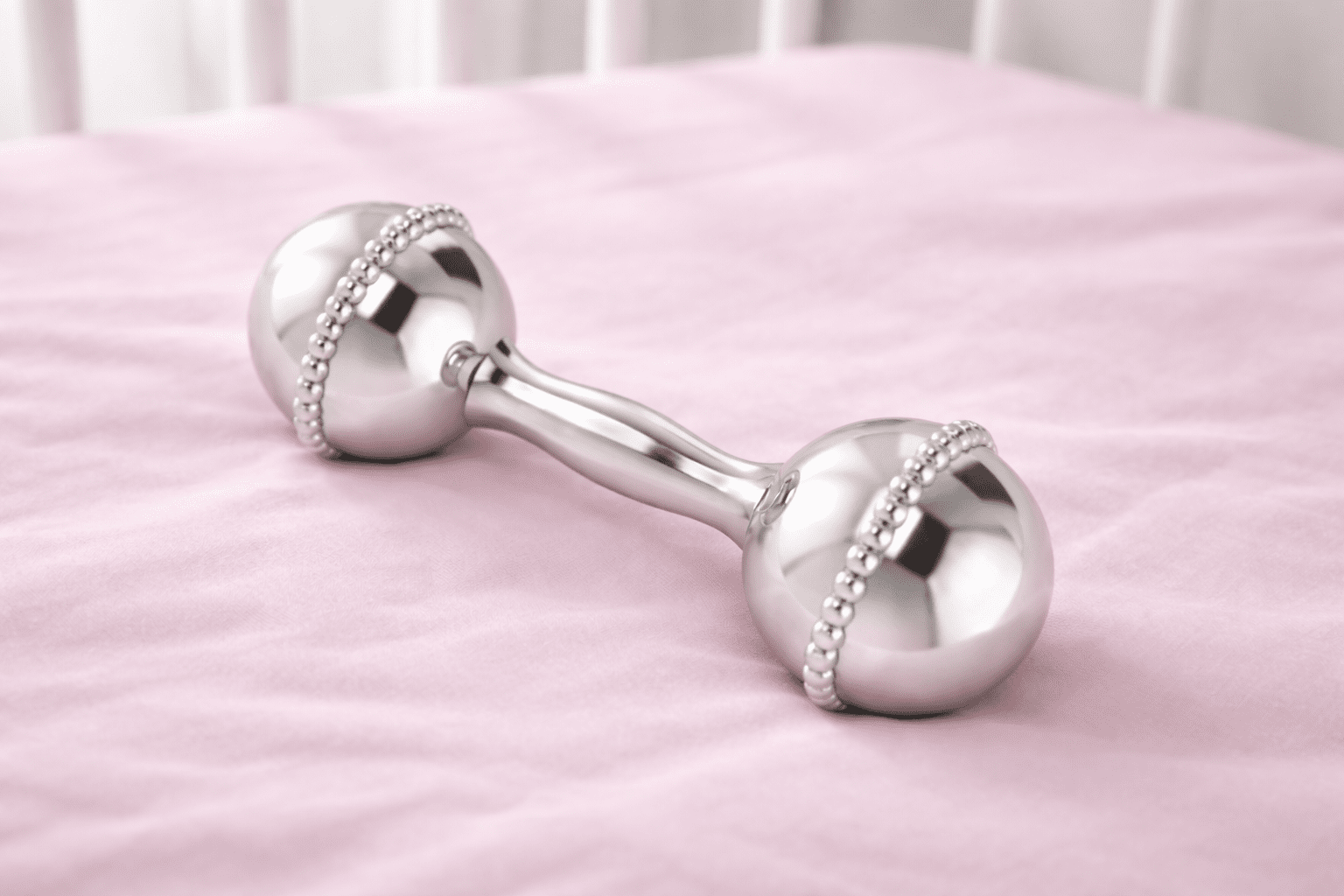
Pewter Baby Rattle: Is It Safe, Should You Buy One, and Is It a Good Gift?
When you have a baby, you start loving anything that feels uniquely tied to her. I’ve bought things that match her birth month, books that include her name, and tiny…
-
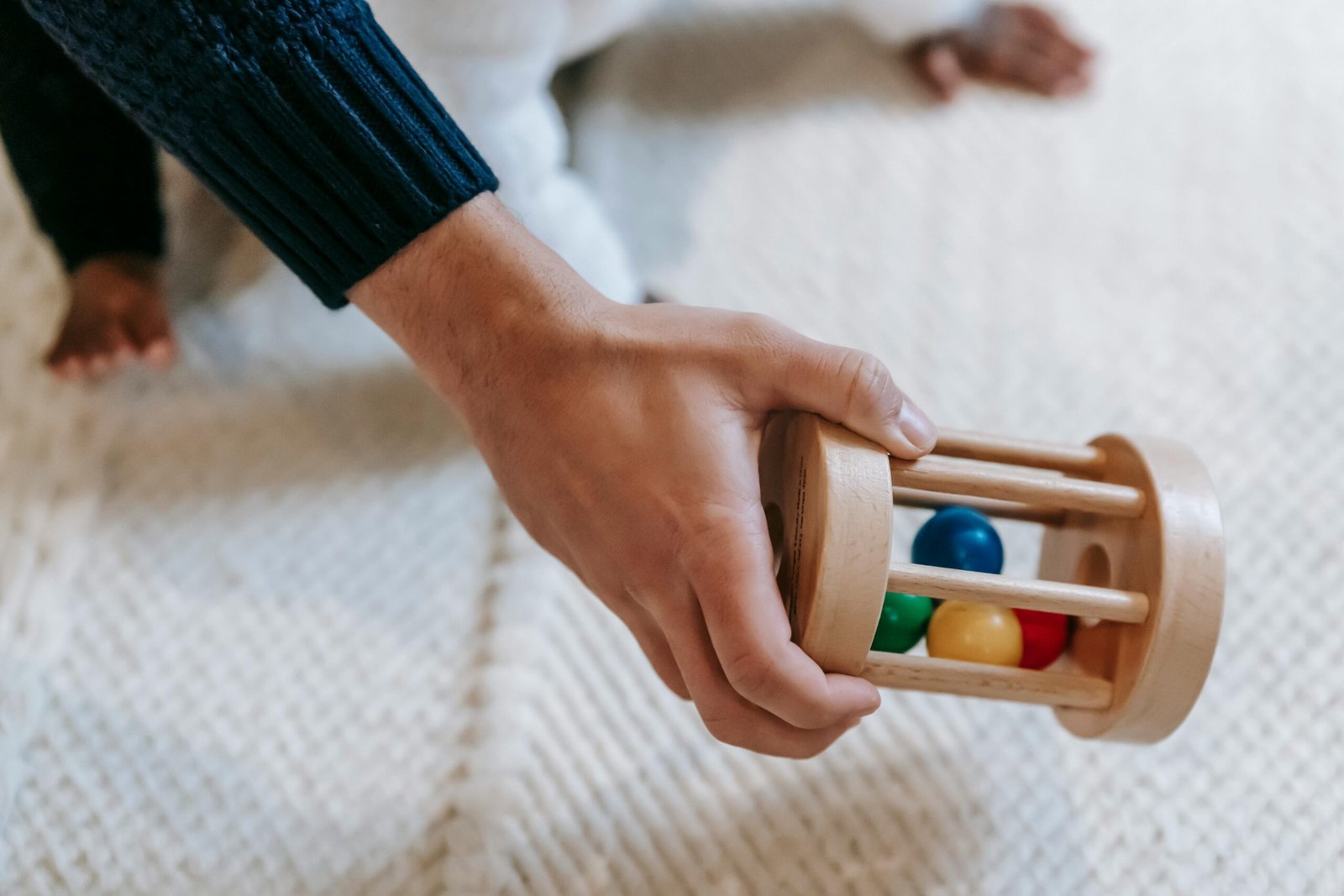
Wooden Baby Rattle: Safety-First Guide for Newborns to 12 Months
As a parent, nothing matters more than safety when you’re choosing something your baby will grip, mouth, and inevitably drop on the floor.A wooden baby rattle can be a great…
-
More Baby Talks
You’re not alone on this parenting journey — every mom and dad learns step by step.I’ve gathered honest insights on all your baby needs, from creating a baby essentials list for newborns to tackling month-by-month challenges like sleep, teething, and feeding. Find trusted guidance on baby care and health, whether it’s choosing a safe baby car seat, managing common problems, starting first foods, or even planning a baby shower. Explore more topics below — let’s walk this path together, with confidence and calm.
Baby Care & Health
Sleep / bedding,Practical baby care for real life
Baby Feeding
How-To Feeding Guide, Breastfeed, Formula,Timing

Baby Gear
Best Travel Picks, Beach Must-Haves, Strollers
Baby Toys
Discover toys by month—plush, soft picks, wood toys
Baby shower
Outfit Ideas, Practical gift advice, match your party and invitation style
About me
Founder who transformed an education business in 3 months, doubling revenue.
Frequently Asked Questions
1. What toys can infants play with?
I still remember how my baby’s “favorite toy” at first was basically anything safe that crinkled or contrasted—so don’t feel pressure to buy a lot…
In the early months, most experts recommend simple, age-appropriate toys that support sensory play and grasping: high-contrast cards/books, soft cloth books, gentle rattles, textured teethers, soft balls, and unbreakable mirrors. Keep toys lightweight, easy to clean, and free of small parts, long cords, or sharp edges. The real win is you joining the play—talking, singing, and showing baby how to explore. If you ever suspect a toy is unsafe or damaged, toss it.
2. How to sanitize infant toys?
With my second baby, I got much more practical: clean “well enough,” and sanitize when it actually matters…
Most guidance agrees the first step is washing away drool and grime with warm soapy water, then rinsing and drying completely—especially for bath toys that can trap moisture. When extra germ control is needed (after illness, for mouthed toys, or shared toys), use an appropriate disinfectant for the toy’s material, follow label directions, and rinse if required so residue doesn’t end up in baby’s mouth. Avoid soaking toys with electronics; wipe instead. If a toy has mold you can’t fully remove, it’s safer to replace it.
3. When do infants play with toys?
I love this one because it sneaks up on you—one day they’re just staring, and the next they’re reaching like it’s their job…
Babies “play” from the start in simple ways: looking at faces, tracking high-contrast objects, and enjoying gentle sounds. Over the first months, many begin batting at dangling toys and briefly holding light rattles; more intentional grabbing and bringing toys to the mouth often strengthens as their coordination grows. Short, supervised tummy-time play and face-to-face interaction count as real play too. Keep sessions brief and happy, and rotate simple objects to match baby’s energy. If you’re concerned about milestones or muscle tone, check with your child’s clinician.
4. Do infants need toys?
With my second baby, I finally believed this: your baby needs you more than a mountain of toys…
Most pediatric guidance emphasizes that the best “toys” are the ones that spark back-and-forth interaction—talking, singing, peekaboo, and simple objects your baby can safely touch and mouth. A few basic items (a soft book, a rattle, a textured teether, an unbreakable mirror) can support development, but expensive or complicated gadgets aren’t required. What matters most is age-appropriate play, safety, and a calm space to explore. If you’re unsure what’s appropriate for your baby’s stage, your pediatrician can help you choose.
5. Are light up toys bad for infants?
I get the worry—those flashing, singing toys can feel like “too much,” especially for a tiny baby…
Most experts don’t say light-up toys are automatically “bad,” but they do highlight two real concerns: overstimulation (too many lights/sounds can derail calm play) and volume (some toys can be loud enough to risk hearing if used close to the ear or for long periods). If you use them, keep volume low, hold noisy toys away from baby’s head, limit the “on” time, and balance with quiet, open-ended toys that invite you to interact. If your baby seems startled, distressed, or you notice hearing concerns, talk with your pediatrician.